
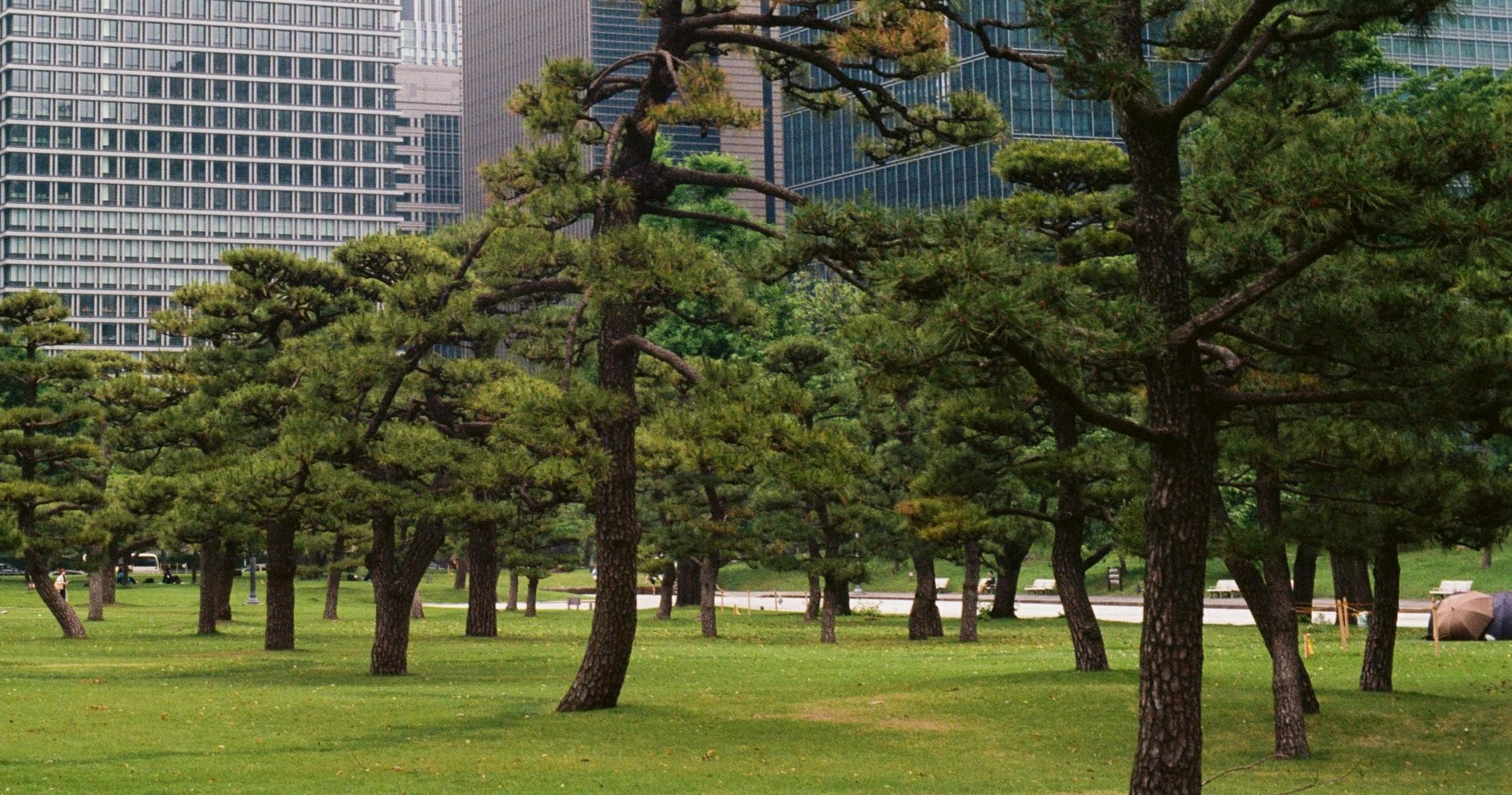
Urban wildlife in Europe is becoming an increasingly important part of urban biodiversity as cities expand and reshape natural habitats.
As more people live in urban areas, understanding how wildlife adapts to human-dominated environments is key to maintaining urban ecosystem health. Many species struggle with habitat loss, yet others thrive, contributing valuable ecosystem services in cities such as pest control, pollination, seed dispersal, and nutrient cycling.
From adaptable species like the red fox to sensitive bats that act as bioindicators, urban wildlife offers insight into environmental change. At the same time, invasive species in urban areas, such as the grey squirrel, highlight the risks of ecological imbalance.
Balancing human–wildlife coexistence is therefore essential for building sustainable cities where biodiversity can persist. By exploring these dynamics, we can better understand the role of wildlife in cities and design urban spaces that support both people and nature.