
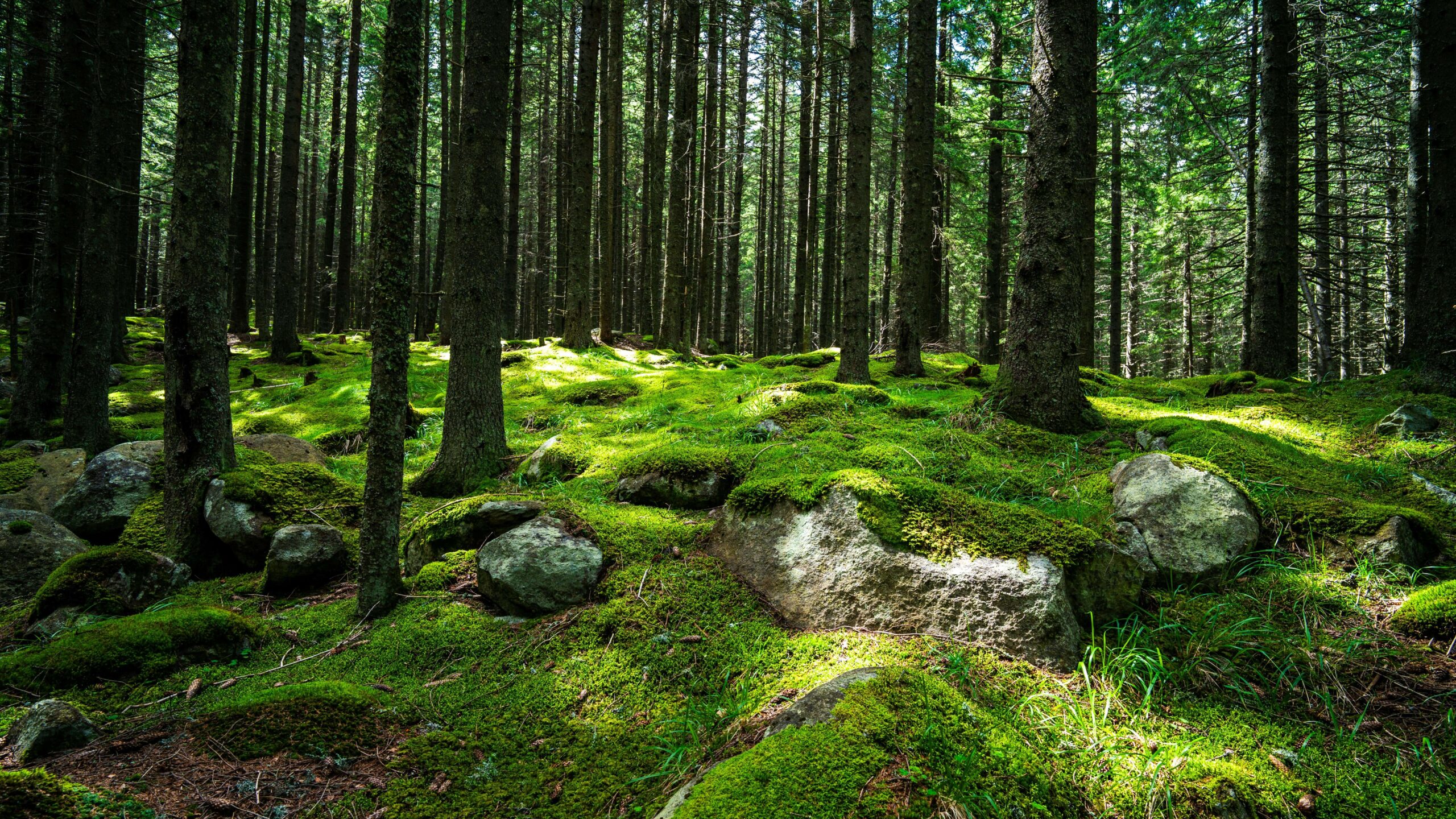
European forest ecosystems are among the continent’s most valuable natural assets, supporting rich biodiversity, regulating the climate, and providing essential ecosystem services.
Covering around 35% of Europe’s land, these forests are dynamic systems shaped by both natural processes and human activity. Understanding forest biodiversity in Europe requires looking beyond trees to the species that influence ecosystem balance—bioindicators, ecosystem engineers, and invasive species.
From the European spruce bark beetle to Lobaria pulmonaria and the Asian longhorn beetle, these organisms reveal critical insights into forest health, resilience, and disturbance. As climate change intensifies pressures such as drought, heatwaves, and species spread, European forest ecosystems face increasing challenges.
By exploring how these key species interact with their environment, we can better understand the current state of forests in Europe and the actions needed to protect them for future generations.