
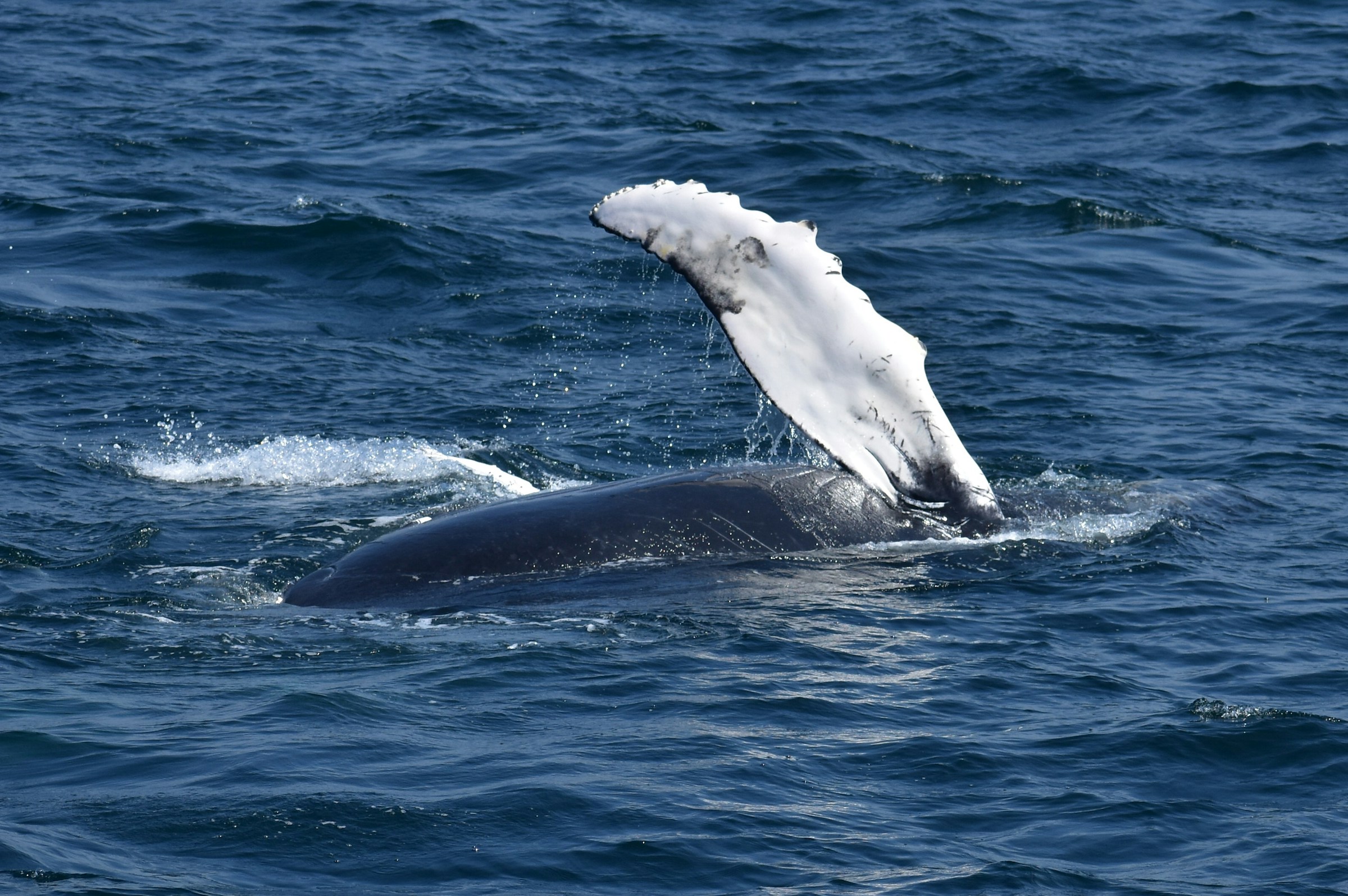

From tiny plankton to 30-meter whales, marine biodiversity is the vital foundation for the functioning of ocean ecosystems, providing benefits to humanity. These benefits range from visible and hidden services, by being the world’s largest carbon sink and supporting the local livelihoods (Pike et al., 2024; United Nations, n.d.). However, overexploitation, habitat destruction, pollution, invasive species, and the resulting increasing effects of climate change have negatively impacted marine ecosystems, contributing to a growing number of extinct and threatened species. According to the International Union for the Conservation of Nature (IUCN) Red List, over 1,550 out of the 17,903 assessed marine animals and plants are at risk of extinction.
Conservation efforts are crucial to protect marine biodiversity, despite challenges related to lower levels of scientific knowledge, public awareness, and practical experience compared to terrestrial ecosystems, as well as the interconnectivity with High Seas areas outside any national jurisdiction.