🔖 This pages gives you a first overview of Nature-based Solutions
Key Concepts
What are NbS? How do they relate to the SDGs?
As our environment continues to degrade around us, Nature-based Solutions (NbS) have come to the forefront of policy making and planning to help tackle the various environmental and social problems we face. Nature-based solutions is an umbrella term that refers to the use of nature in addressing environmental challenges while providing multiple benefits for human health. From climate change adaptation and mitigation, to air pollution and human well being, the use of ecosystem services offers effective strategies in sustaining life on our planet.
The ultimate goal of nature-based solutions is supporting sustainable development. Thus, the UN Sustainable Development Goals (SDGs) gives us a good lens to analyse the ways NbS can provide multiple benefits in areas such as:
- Health and Wellbeing: Enhancing human health by improving air and water quality, especially in urban environments.
- Clean Energy: Supporting renewable energy initiatives through the sustainable management of natural resources.
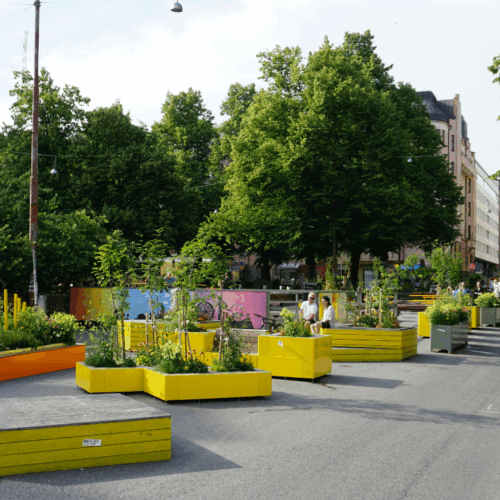
- Sustainable Cities & Communities: Incorporating green spaces and ecosystem-based urban planning to create more livable cities.
- Responsible Consumption & Production: Encouraging the sustainable use of resources and minimizing environmental footprints.
- Climate Action: Contributing to both mitigation and adaptation efforts by using natural systems like reforestation and wetland restoration.

- Life Below Water: Safeguarding aquatic ecosystems, helping to maintain biodiversity and reduce pollution.
- Life on Land: Conserving terrestrial ecosystems, ensuring biodiversity is maintained, and building resilience to future environmental changes.
Types of NbS
Nature-based Solutions harness the power of nature to address some of the most pressing challenges we face today. NbS comes in different forms and with different benefits taking into consideration the specific challenges an area or a community is facing.
Often, NbS can be broadly categorized into three types based on their level of intervention and management of ecosystems.
Type 1 consists of minimal Intervention. These solutions protect natural ecosystems with little to no human interference. Think of conserving mangroves in coastal areas or establishing protected zones.
Type 2 consists of Sustainable Management. In this case, ecosystems are managed to improve specific services, like soil health or carbon capture. With agroforestry, this could mean increasing tree diversity to boost resilience against extreme weather.
Type 3 is active Intervention. These solutions create or restore ecosystems, especially in urban or heavily degraded areas. Examples include green roofs that cool cities and restore biodiversity, or large-scale efforts to bring life back to damaged landscapes.
Examples
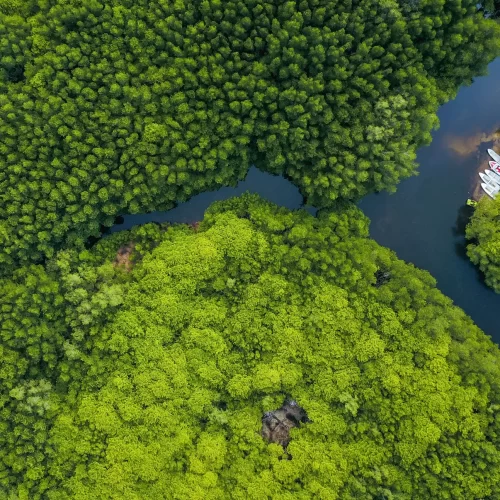
Mangrove Conservation - the "Siargao It Up" project (Philippines)
A mangrove conservation programme in Del Carmen, Siargao Islands of the Philippines. The municipality of Del Carmen hosts the largest mangrove forest in the Philippines – consisting of around 4,871 hectares. The program partnered with various organizations and private sectors for operationalization, which includes capacity building activities, community organizing, educational advocacy campaigns, and funding for livelihood innovations. A Mangrove Management Plan was formulated with the participation of various stakeholders to systematically implement activities that will address mangrove cutting and illegal fishing. This ecosystem helps maintain the island’s ecological balance, has a key role in capturing and storing carbon, and protects the community from the inevitable effects of climate change disasters such as the 2021 Typhoon Odette.
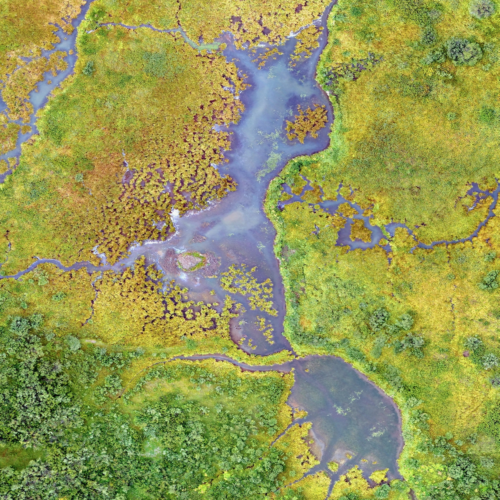
Wetland Restoration - The Great Fen (UK)
The Great Fen project is one of the largest wetland restoration projects in the UK. The project aims to restore 3,700 hectares of land into a thriving wetland habitat, connecting the two national nature reserves of Woodwalton Fen and Holme Fen. Wild fens once stretched for hundreds of miles and were home to thousands of different types of animals and plants but became heavily degraded due to agricultural practices.
The restoration improves biodiversity, carbon sequestration, and flood management, while also providing recreational opportunities for the public.
Green Roofs - The case of Basel (Switzerland)
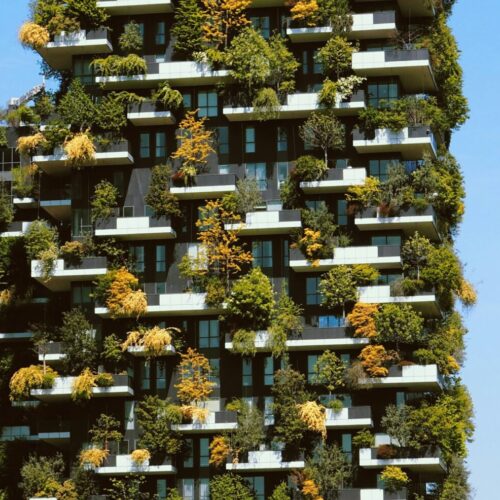
The city of Basel has made green roofs compulsory on all flat-roofs since 2010. Green roofs are “contained green spaces” intentionally covered with vegetation. Benefits of green roofs and similar green walls in urban areas include: 1) improved energy efficiency and water management thanks to the vegetation’s natural insulation properties; 2) improved biodiversity; 3) improved air quality and carbon capture; 4) reduction of the heat island effect. Basel now has the largest area of green roofs per capita in the world.
Quiz
Have you followed well the course? Try out our quiz!
↪︎ Proceed to the next module on ecosystem services (ESS) (key concepts 2) or have a look at our dedicated NbS map for a visual and interactive overview of Nature-based Solutions.
↩︎ Get back to the previous module introduction on NbS or to the main NbS training page