
Given the requirement of reaching unanimity between the 53 signatories, a modernised ECT that goes far enough regarding environmental protection, is a major challenge that seems improbable. In addition to this, there have been strong disagreements as to what a meaningful modernisation should include and how
far it should go. Thus, it is critical that an end-date to the modernisation process is made public to further developments
[/vc_column_text][/vc_column][/vc_row]Call for withdrawal
A year on and no consensus reached
We, the European youth, had hoped to see stronger action being taken in 2021 regarding the modernisation process of the ECT given that timing is crucial. However, this has sadly yet to be delivered in spite of the assurances that substantial action would be taken. With over a year of negotiations having taken place, there has been little to no consensus reached on key topics. It has even been observed that not all Contracting Parties were actively participating in negotiation rounds, and that the EU had to reach out to some countries for them to take part in the debates.
As each unsuccessful negotiation round comes to pass, it is clear that the protection of fossil fuel investments, as well as the never-ending modernisation process, are a real obstacle in relation to a transition to a more sustainable society. Additionally, there exists a real lack of ambition to align the ECT with the Paris Agreement as well as other climate goals that the European Union (EU) have pledged themselves to. Protecting fossil fuel related investments for an additional ten years is sure to put an end to the EU’s 2030 target of reducing GHG emissions by 55%, a fact the Commission’s proposal seems not to have considered.
Meaningful modernisation?
Given the requirement of reaching unanimity between the 53 signatories, a modernised ECT that goes far enough regarding environmental protection, is a major challenge that seems improbable. In addition to this, there have been strong disagreements as to what a meaningful modernisation should include and how
far it should go. Thus, it is critical that an end-date to the modernisation process is made public to further developments
Call for withdrawal
The climate emergency does not allow us to wait any longer. Not only are the general European population losing faith in the success of the ECT modernisation process, ourselves included, but also several EU Member States including France and Spain. As such, support for stronger action comes from the petition launched by a coalition of organisations earlier this year calling for withdrawal which generated over a million signatures in two weeks. In addition to this, given the recent ruling by the Court of Justice of the European Union in Komstroy v Moldova (Case C-741/19), of which ruled that the Investor-State Dispute Settlement mechanism provided for by the Energy Charter Treaty is not applicable to intra-EU disputes, we expect to see Member States react accordingly and ensure the inapplicability of intra-EU ECT proceedings and even go beyond this.
Thus, if sufficient and meaningful modernisation is not possible, we believe that a coordinated withdrawal of EU Member States from the ECT should be secured, as well as the suspension of the application of the Sunset Clause between EU Member States in addition with EU Member States to act in accordance with the Komstroy v Moldova (Case C-741/19) ruling. In essence, timing is crucial and with renewable energy developments regressing due to inaction, it is critical European leaders make meaningful progress in ensuring the European Union’s sustainability commitments.
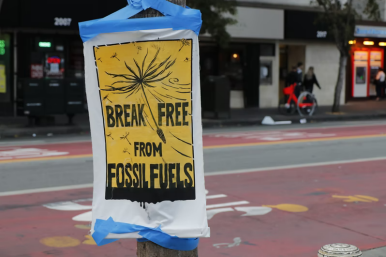
The Energy Charter Treaty is an international agreement which protects the production of fossil fuel worldwide and therefore threatens our capacity to lead a green transition. The sixth negotiation round of the Energy Charter Treaty (ECT) modernisation process drew to a close on 9 July 2021, with two more yet to come later this year. This now marks one year of negotiations with virtually no concrete developments to show for it. As such, the efficiency and the success of such negotiation rounds are to be called into question. Considering the ecological urgency, Generation Climate Europe, a coalition of youth-led networks at the European level, calls for European leaders to place the ECT at the top of their agendas and adopt ambitious measures without which we will never be able to meet our environmental objectives.
A year on and no consensus reached
We, the European youth, had hoped to see stronger action being taken in 2021 regarding the modernisation process of the ECT given that timing is crucial. However, this has sadly yet to be delivered in spite of the assurances that substantial action would be taken. With over a year of negotiations having taken place, there has been little to no consensus reached on key topics. It has even been observed that not all Contracting Parties were actively participating in negotiation rounds, and that the EU had to reach out to some countries for them to take part in the debates.
As each unsuccessful negotiation round comes to pass, it is clear that the protection of fossil fuel investments, as well as the never-ending modernisation process, are a real obstacle in relation to a transition to a more sustainable society. Additionally, there exists a real lack of ambition to align the ECT with the Paris Agreement as well as other climate goals that the European Union (EU) have pledged themselves to. Protecting fossil fuel related investments for an additional ten years is sure to put an end to the EU’s 2030 target of reducing GHG emissions by 55%, a fact the Commission’s proposal seems not to have considered.
Meaningful modernisation?
Given the requirement of reaching unanimity between the 53 signatories, a modernised ECT that goes far enough regarding environmental protection, is a major challenge that seems improbable. In addition to this, there have been strong disagreements as to what a meaningful modernisation should include and how
far it should go. Thus, it is critical that an end-date to the modernisation process is made public to further developments
Call for withdrawal
The climate emergency does not allow us to wait any longer. Not only are the general European population losing faith in the success of the ECT modernisation process, ourselves included, but also several EU Member States including France and Spain. As such, support for stronger action comes from the petition launched by a coalition of organisations earlier this year calling for withdrawal which generated over a million signatures in two weeks. In addition to this, given the recent ruling by the Court of Justice of the European Union in Komstroy v Moldova (Case C-741/19), of which ruled that the Investor-State Dispute Settlement mechanism provided for by the Energy Charter Treaty is not applicable to intra-EU disputes, we expect to see Member States react accordingly and ensure the inapplicability of intra-EU ECT proceedings and even go beyond this.
Thus, if sufficient and meaningful modernisation is not possible, we believe that a coordinated withdrawal of EU Member States from the ECT should be secured, as well as the suspension of the application of the Sunset Clause between EU Member States in addition with EU Member States to act in accordance with the Komstroy v Moldova (Case C-741/19) ruling. In essence, timing is crucial and with renewable energy developments regressing due to inaction, it is critical European leaders make meaningful progress in ensuring the European Union’s sustainability commitments.